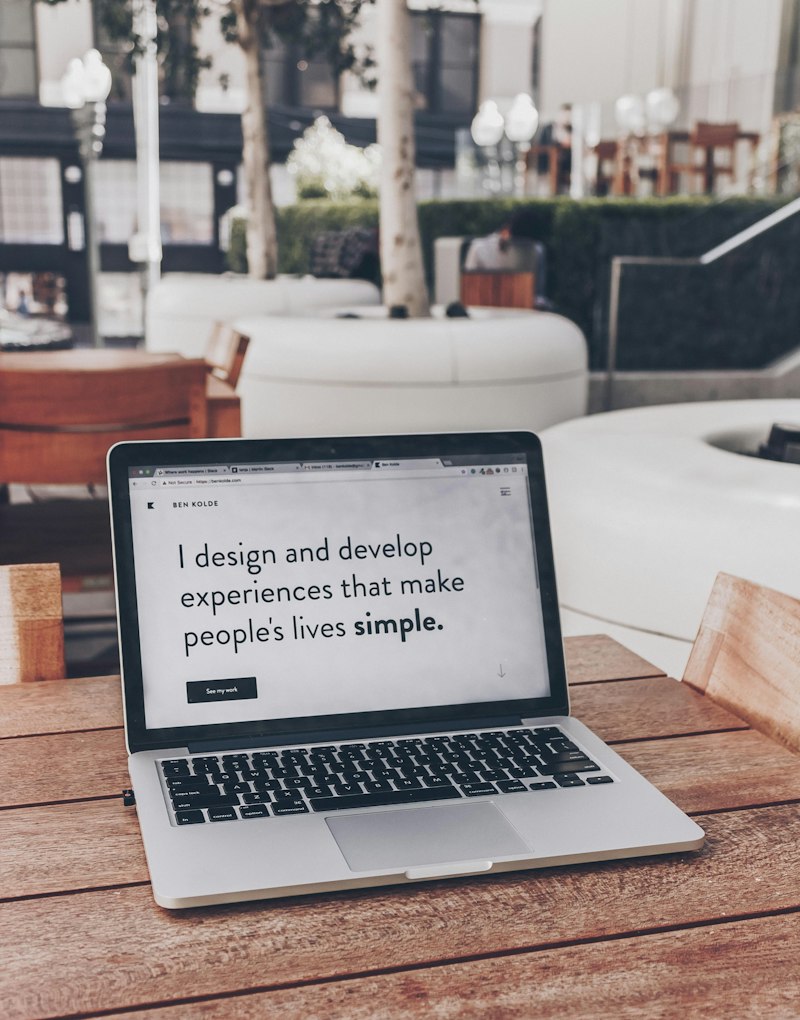
Introduction
In today's competitive job market, a strong portfolio can be the difference between landing your dream job and being overlooked. Whether you're a designer, developer, writer, or marketer, this guide will help you create a portfolio that showcases your best work and attracts employers.
Why You Need a Portfolio
A portfolio provides tangible proof of your skills and abilities. While a resume tells employers what you can do, a portfolio shows them what you've actually accomplished.
Planning Your Portfolio
Define Your Goals
Before creating your portfolio, consider:
- What type of role are you targeting?
- What skills do you want to highlight?
- Who is your target audience?
Choose Your Best Work
Quality over quantity is the key principle. Select 5-8 projects that:
- Demonstrate a range of skills
- Show your problem-solving abilities
- Align with the types of roles you're seeking
- Represent your best work
Essential Portfolio Elements
1. Professional Introduction
Start with a compelling introduction that includes:
- Your name and professional title
- A brief overview of your expertise
- What makes you unique
- Your career goals or mission
2. Project Case Studies
For each project, include:
- Project overview and objectives
- Your role and responsibilities
- The process you followed
- Challenges you overcame
- Results and outcomes (with metrics if possible)
- Visual examples of your work
3. Skills Section
Highlight both technical and soft skills relevant to your field. Consider using visual representations like skill bars or categorized lists.
4. About Me Page
Share your professional story:
- Your background and journey
- What drives you professionally
- Your work philosophy
- Personal interests that relate to your work
5. Contact Information
Make it easy for potential employers to reach you:
- Professional email address
- Portfolio website
- Phone number (optional)
- Contact form
Design Tips for Your Portfolio
Keep It Clean and Professional
- Use consistent branding throughout
- Ensure easy navigation
- Maintain adequate white space
- Choose readable fonts
Optimize for All Devices
Your portfolio should look great on desktops, tablets, and mobile devices. Test thoroughly across different screen sizes.
Focus on Speed
Optimize images and code to ensure fast loading times. Slow portfolios lose visitors quickly.
Maintaining Your Portfolio
Your portfolio should be a living document:
- Add new projects regularly
- Remove outdated or weaker pieces
- Update your skills and achievements
- Keep your contact information current
Platform Options
Website Builders
- Squarespace
- Wix
- WordPress
Portfolio-Specific Platforms
- Behance (designers)
- Dribbble (designers)
- GitHub (developers)
Custom Solutions
Build your own using modern frameworks for maximum customization.
Conclusion
A well-crafted portfolio is an investment in your career. Take the time to create something that truly represents your best work and professional brand. With a strong portfolio, you'll stand out from other candidates and increase your chances of landing your ideal role.